Power & EnergyChecklist
Power Outage Preparedness Checklist: Before, During, and After
A practical power outage checklist: what to have ready, how long fridge and freezer food stays safe, carbon monoxide safety, and what to check when power returns.
By Prep & Survive TeamPublished 6 min read
On this page
Key takeaways
- A closed refrigerator keeps food safe for about 4 hours during a power outage.
- A full freezer holds its temperature for about 48 hours, or about 24 hours if it is half full and the door stays closed.
- Throw away perishable food that has been above 40°F for 2 hours or more.
- Never run a generator, grill, or camp stove indoors or in a garage, and keep generators at least 20 feet from windows, doors, and vents.
- Install battery-powered or battery-backup carbon monoxide alarms on every level of your home and near sleeping areas.
Most power outages are short and more inconvenient than dangerous. The problems start when an outage runs longer than expected: food spoils, medications warm up, phones die, and people turn to unsafe ways of heating, cooking, or running backup power.
This checklist walks through what to do before, during, and after an outage, using guidance from Ready.gov, the USDA, and the CDC. Print it, check off what you already have, and fill the gaps a little at a time.
4 hours
food stays safe in a closed refrigerator
48 hours
a full freezer holds its temperature (24 if half full)
40°F
discard perishables above this for 2+ hours
20 feet
minimum generator distance from windows, doors, and vents
Before an outage: get ready
The most useful preparation happens on an ordinary day. Start by listing everything in your home that depends on electricity, including things that are easy to forget: a well pump, a sump pump, a garage door opener, a cordless landline phone, or a medical device.
Light, power, and information
Light and communication
0 of 7
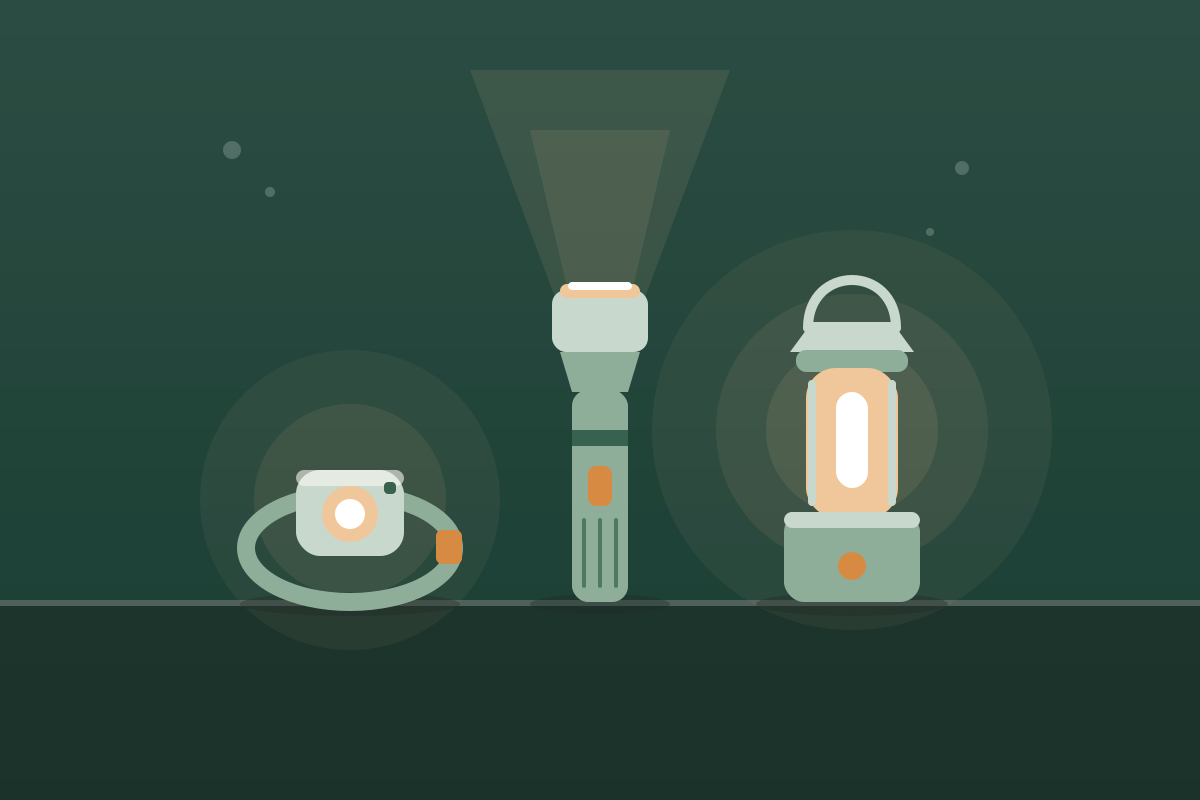
Candles are a common cause of home fires during outages, so battery lighting is the safer choice. Our emergency lighting guide covers flashlights, headlamps, and lanterns, and our guide to choosing an emergency radio explains why a NOAA Weather Radio is worth having.
Food, water, and supplies
Food and water
0 of 6
Keeping containers of frozen water in your freezer does double duty: they help the freezer stay cold longer and give you drinking water as they thaw. For how much to keep on hand, see how much water to store.
Safety equipment
Safety
0 of 5
Plan for medical needs
If anyone in your household relies on electricity for their health, this deserves its own plan. Ready.gov recommends having alternate plans for refrigerating medicines and for running power-dependent medical devices.
- Talk to your medical provider about a power outage plan, and ask how long each medication can be kept at higher temperatures.
- Check with the device maker for backup battery options and expected battery runtime for equipment such as oxygen concentrators, CPAP machines, or powered wheelchairs.
- Contact your utility. Many utilities keep a list of customers who use life-sustaining medical equipment. Being on it does not guarantee faster restoration, but it can help.
- Know where to go. Identify a nearby place with power, such as a relative's home, a hospital, or a community center, in case your backup runs out.
During an outage: stay safe
Keep the cold in
Keep the refrigerator and freezer doors closed as much as possible. According to the USDA and Ready.gov:
| Appliance | How long food stays safe (door closed) |
|---|---|
| Refrigerator | About 4 hours |
| Full freezer | About 48 hours |
| Half-full freezer | About 24 hours |
If the outage will last longer than 4 hours, move perishable refrigerated food such as milk, meat, and leftovers into a cooler with ice or frozen gel packs. Use enough ice to keep the cooler at 40°F or below, and check it with a thermometer.
Protect yourself from carbon monoxide
Carbon monoxide (CO) is a colorless, odorless gas produced whenever fuel is burned. Outages are one of the most common times for CO poisoning, usually because someone runs a generator or fuel-burning appliance in the wrong place.
Other steps during an outage
- Unplug appliances and electronics to protect them from surges when power returns, as Ready.gov recommends. It also helps to leave one lamp switched on so you know when the electricity is back.
- Use flashlights, not candles. If you must use candles, never leave them unattended.
- Stay off the roads if traffic signals are out, and treat dark intersections as four-way stops.
- Check on neighbors, especially older adults and people who live alone.
- Manage temperature. In extreme heat or cold, go to a community cooling or warming center or another location with power rather than waiting it out.
- Conserve phone battery. Lower screen brightness, close unused apps, and text rather than call.
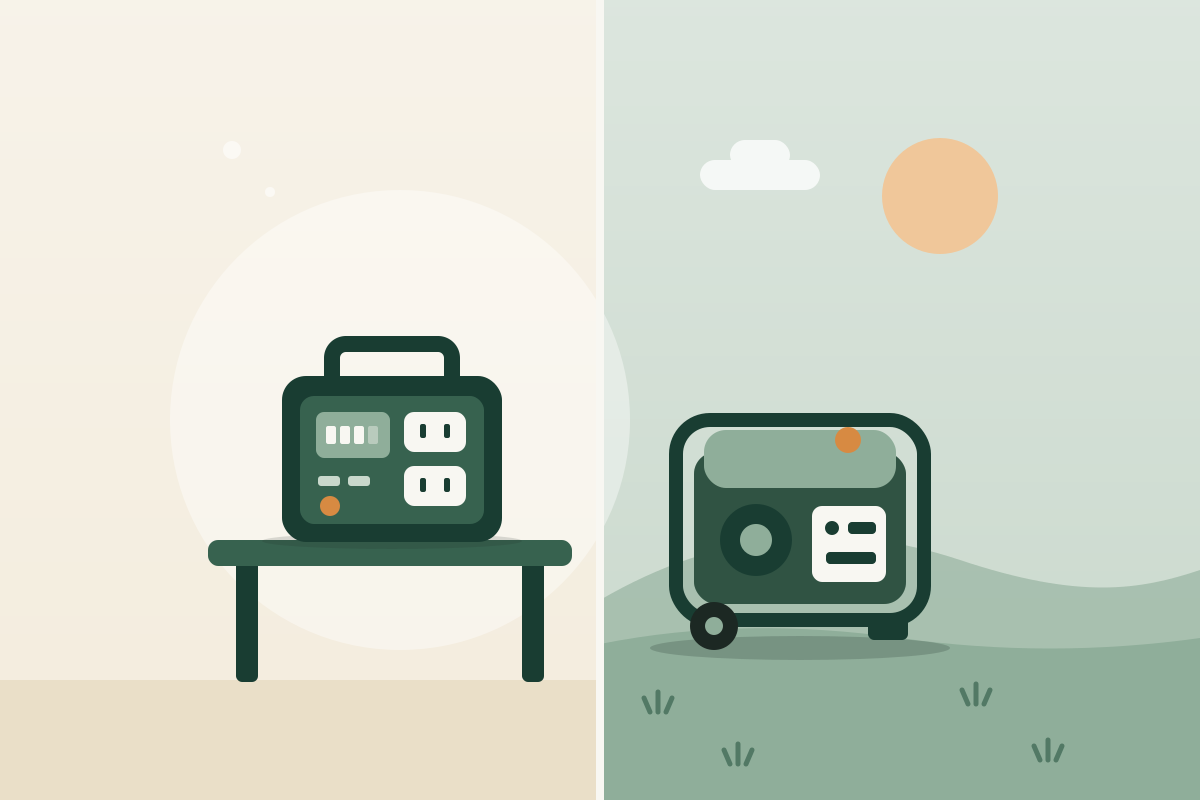
If you are using backup power, our comparison of portable power stations and generators explains how to size each and use them safely.
After the outage: check before you use
Sort your food
Once the power is back, go through the refrigerator and freezer before eating anything. The USDA's core rule: throw away perishable food that has been above 40°F for 2 hours or more.
- Refrigerated food: If the power was out for no more than 4 hours and the door stayed closed, it should be safe. Otherwise, discard perishables such as meat, poultry, seafood, milk, soft cheeses, eggs, and leftovers.
- Frozen food: Food that still contains ice crystals or is at 40°F or below can be safely refrozen or cooked. Quality may suffer, but safety is what counts.
- Anything questionable: Discard food with an unusual odor, color, or texture. Never taste food to decide whether it is safe.
Reset and restock
After the power comes back
0 of 6
If any electrical equipment or wiring got wet during a storm or flood, do not turn it on. Have a licensed electrician inspect it first.
Your next step
Pick one gap from this checklist and close it this week. For most households, that means putting a thermometer in the fridge and freezer and testing your carbon monoxide alarms. Then keep going:
- Build a complete kit with our guide to building a 72-hour emergency kit.
- Decide on backup power with portable power station vs. generator.
- Learn what pantry food lasts longest in the emergency food shelf life guide.
Frequently asked questions
How long will food last in the refrigerator during a power outage?
If you keep the door closed, a refrigerator keeps food safe for about 4 hours. After that, perishable foods such as meat, dairy, and leftovers should be discarded if they have been above 40°F for 2 hours or more.
How long does a freezer stay cold without power?
A full freezer holds its temperature for about 48 hours and a half-full freezer for about 24 hours, as long as the door stays closed. Food that still has ice crystals or is at 40°F or below can be refrozen or cooked.
Is it safe to use a gas stove or grill for heat or cooking during an outage?
No. Never use a gas oven to heat your home, and never use a charcoal grill, camp stove, or generator indoors or in a garage. These produce carbon monoxide, which can build up to deadly levels without any smell.
Should I unplug appliances during a power outage?
Yes. Ready.gov recommends disconnecting appliances and electronics to avoid damage from electrical surges. A simple extra step: leave one lamp switched on so you know when power returns.
Sources
- Winter Storms Aren't Over: CPSC Warns of Deadly Carbon Monoxide Risks and Fires During Power Outages — U.S. Consumer Product Safety Commission
- Information Regarding Insulin Storage and Switching Between Products in an Emergency — U.S. Food and Drug Administration
- Power Outages — Ready.gov
- Keeping Food Safe During an Emergency — USDA Food Safety and Inspection Service
- Carbon Monoxide Poisoning Basics — Centers for Disease Control and Prevention
The Prep & Survive team researches, writes, and fact-checks every guide against current guidance from FEMA, Ready.gov, the CDC, the American Red Cross, and USDA food safety experts. We update articles when official recommendations change.
How we research and fact-checkGet one practical preparedness step every other week
Join The Ready Brief for checklists, seasonal reminders, and honest gear advice.