Emergency KitsChecklist
How to Build a 72-Hour Emergency Kit: The Complete Checklist
A 72-hour emergency kit checklist based on Ready.gov and Red Cross guidance, with additions for kids, pets, medications, and documents, plus a maintenance schedule.
By Prep & Survive TeamPublished 5 min read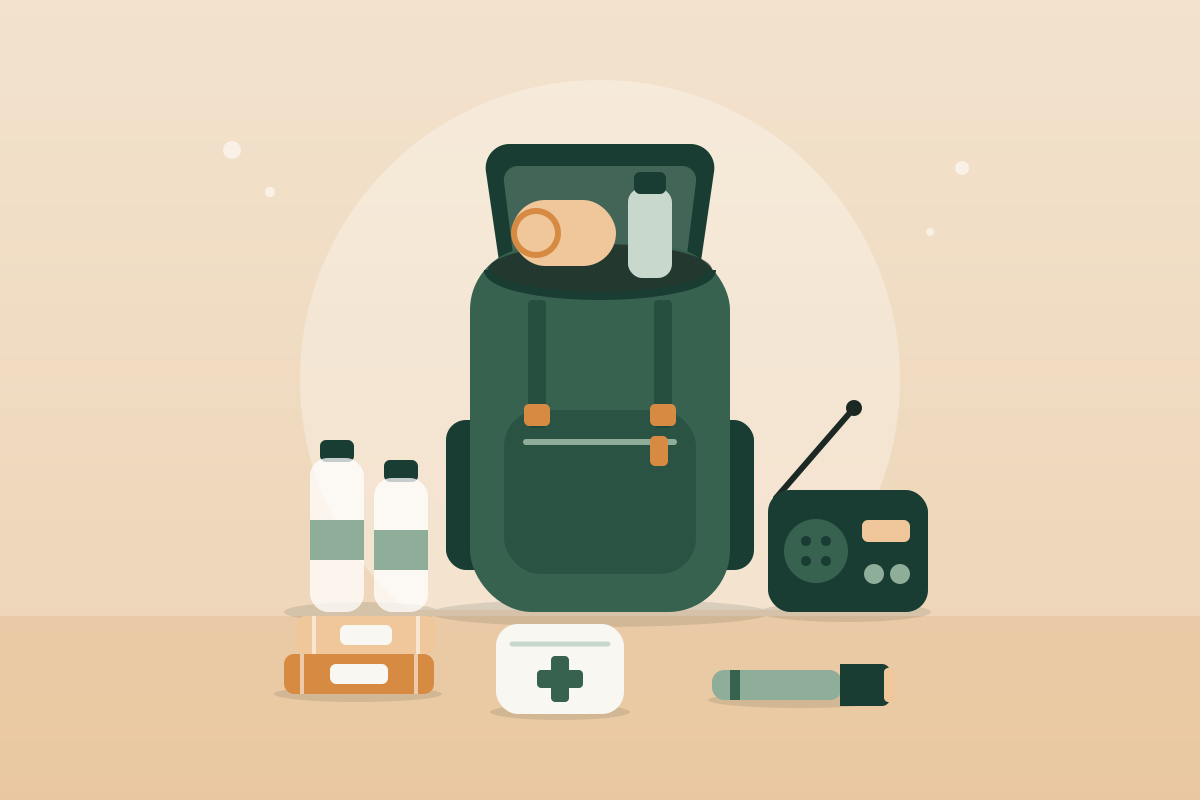
On this page
Key takeaways
- A 72-hour kit should cover each person's water, food, light, communication, first aid, and sanitation needs for at least three days.
- Plan on one gallon of water per person per day, so three days means 3 gallons per person.
- The American Red Cross recommends a 7-day supply of medications and copies of key personal documents in your kit.
- Ready.gov suggests packing items in airtight plastic bags and keeping the whole kit in one or two easy-to-carry containers.
- Check the kit at least once a year, and replace self-filled water every six months.
A 72-hour kit, often called a go-bag or disaster supplies kit, holds what your household needs to get through the first few days of an emergency. That could be an evacuation ahead of a hurricane or wildfire, or several days at home without power or running water.
Three days is a starting point, not a ceiling. The American Red Cross recommends a 3-day supply for evacuation and a 2-week supply for home. This checklist focuses on the portable 3-day kit, built from Ready.gov and Red Cross lists, and then covers how to tailor, pack, and maintain it.
3 gallons
of water per person for 72 hours
7 days
of medications (Red Cross)
1–2
easy-to-carry containers for the whole kit
The core checklist
These items come from Ready.gov's basic disaster supplies kit and the Red Cross survival kit list. Every household kit should have them.
Water and food
0 of 4
Light, power, and communication
0 of 7
First aid, health, and sanitation
0 of 8
Tools and shelter
0 of 8
Documents and money
0 of 6
Additions for your household
A kit only works if it fits the people using it. Ready.gov's planning guidance suggests thinking about each person's age, medical needs, and daily routines.
Babies and young children
- Ready-to-feed formula, bottles, baby food, diapers, wipes, and diaper rash cream
- A change of clothes for each child, plus a comfort item such as a small blanket or stuffed animal
- Books, cards, or small games
- A card in each child's bag with their name, your phone numbers, and your out-of-town contact
Ready.gov recommends ready-to-feed formula, which doesn't need to be mixed with water. If you must mix formula, it advises using bottled water, or boiled water as a last resort.
Older adults and people with disabilities
- Spare hearing aid batteries, extra glasses, and backup mobility aids if possible
- Written instructions for medical devices, plus model and serial numbers
- A plan for backup power if anyone relies on powered medical equipment. Talk with your health care provider ahead of time.
Medications
The Red Cross recommends at least a 7-day supply. If your insurance limits early refills, ask your pharmacist or doctor about options. Keep a written list with each drug's name, dose, prescribing doctor, and pharmacy. For medications that need refrigeration, ask your pharmacist how long they stay effective at room temperature.
Pets
Ready.gov recommends a separate pet kit with:
- Several days of food in an airtight, waterproof container, plus water and a bowl
- Extra medication and pet first aid supplies
- A backup collar with ID tag, a leash or harness, and copies of registration and vaccination records
- A carrier or crate for each pet
- Litter and a litter box, or bags for waste
- A recent photo of you with your pet to help prove ownership
Your climate and local hazards
The Red Cross suggests adding items based on the hazards you face. Add rain gear for hurricane country, N95 masks for wildfire areas, and hats, gloves, and extra blankets for winter storms.
How to pack your kit
Ready.gov recommends sealing items in airtight plastic bags and keeping the whole kit in one or two easy-to-carry containers. In practice:
- Use a sturdy backpack or duffel for each adult. Backpacks keep your hands free. A rolling bin works for supplies that stay home or go in the car.
- Group items into labeled zip-top bags, such as first aid, hygiene, lights and batteries, and documents. This keeps them dry and makes things easy to find in the dark.
- Put documents in a waterproof pouch, and keep digital copies in a secure cloud account.
- Keep spare batteries in their original packaging, and take batteries out of flashlights and radios that will sit unused for months. This prevents leaks, corrosion, and accidental drain.
- Plan for the weight of water. A gallon weighs about 8.3 pounds, so 3 gallons is about 25 pounds per person. Keep a few bottles in each pack and the rest in a case by the door or in the car.
Where to keep it
Store the kit somewhere cool, dry, and easy to reach on your way out, such as a hall closet or near the door to the garage. Heat shortens the life of food, water, medication, and batteries, so avoid attics and hot garages if you can. Make sure everyone in the household knows where it is.
Ready.gov also recommends supplies in two other places:
- At work: enough to shelter there for at least 24 hours, including food, water, medications, and comfortable walking shoes.
- In each car: see our car emergency kit checklist.
Maintenance schedule
A kit that was perfect three years ago may have expired food, dead batteries, and clothes the kids have outgrown. Use a simple schedule:
| When | What to check |
|---|---|
| Every 6 months | Replace self-filled water. Check food and medication dates. Test flashlights and the radio. Charge power banks. |
| Every year | Review the whole kit against your household's needs, as Ready.gov recommends. Update clothing sizes, documents, contacts, and photos. Replace batteries as needed. |
| After any use | Restock everything you used right away. |
| When life changes | Update after a new baby, pet, prescription, move, or job. |
Many families do the 6-month check when the clocks change in spring and fall. Our emergency food shelf life guide explains how long common kit foods keep.
Next steps
Your 72-hour kit covers the first few days. To build further:
- Upgrade the first aid supplies with our first aid kit checklist
- Learn how much water to store for a full two weeks at home
- If you're just getting started, read how to start preparing
Frequently asked questions
What should be in a 72-hour emergency kit?
At minimum, include water, non-perishable food, a flashlight, a battery or hand-crank radio, extra batteries, a first aid kit, medications, sanitation supplies, a whistle, copies of documents, cash, and a phone charger. Add items for children, pets, and medical needs.
How much water do I need for a 72-hour kit?
Plan on one gallon per person per day, or 3 gallons per person for three days. Water is heavy, at roughly 8.3 pounds per gallon, so many families keep part of it in the car or right beside the kit.
Where should I store my emergency kit?
Keep it in a cool, dry, easy-to-reach spot near an exit, such as a hall closet, and make sure everyone in the household knows where it is. Ready.gov also recommends smaller kits for work and for each car.
How often should I update my emergency kit?
Review it at least once a year, as Ready.gov recommends, and check expiration dates on food, medications, and batteries. Replace water you bottled yourself every six months.
Sources
- Build a Kit — Ready.gov
- Survival Kit Supplies — American Red Cross
- Prepare Your Pets for Disasters — Ready.gov
- Financial Preparedness — Ready.gov
The Prep & Survive team researches, writes, and fact-checks every guide against current guidance from FEMA, Ready.gov, the CDC, the American Red Cross, and USDA food safety experts. We update articles when official recommendations change.
How we research and fact-checkGet one practical preparedness step every other week
Join The Ready Brief for checklists, seasonal reminders, and honest gear advice.