Emergency KitsChecklist
First Aid Kit Checklist: What to Keep at Home, in Your Go-Bag, and in the Car
A first aid kit checklist based on the American Red Cross family list, with what to add for medications, cars, and go-bags, and how to keep it current.
By Prep & Survive TeamPublished 6 min read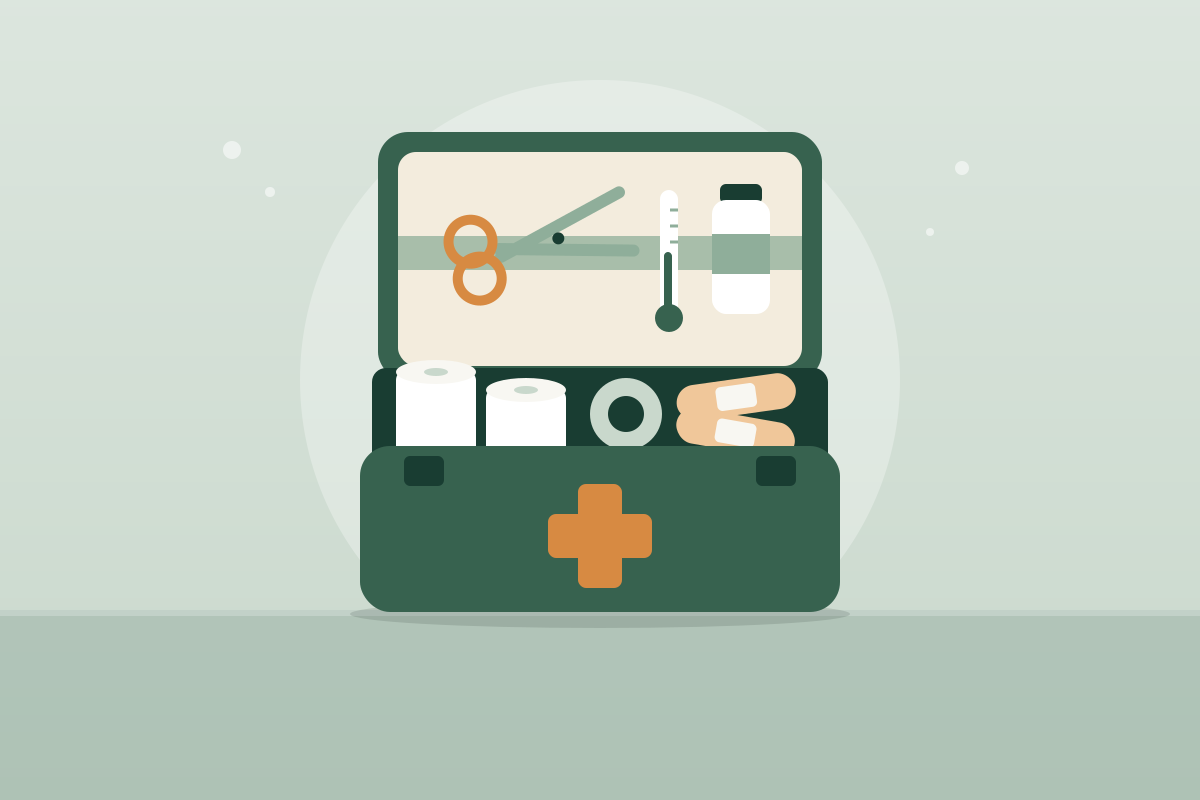
On this page
Key takeaways
- The American Red Cross publishes a recommended first aid kit list for a family of four, covering dressings, bandages, ointments, gloves, a cold compress, and an instruction guide.
- Keep a full kit at home and a smaller kit in each car and go-bag; the Red Cross recommends a kit in both your home and your car.
- Add a supply of your household's prescription and over-the-counter medications, plus a written list of medicines, allergies, and emergency phone numbers.
- Check the kit regularly, and replace anything used, damaged, or past its expiration date.
- Supplies are only half of first aid; a first aid and CPR class and a Stop the Bleed course teach you how to use them.
A well-stocked first aid kit handles the everyday scrapes, burns, and sprains that happen at home, and it becomes far more important when an emergency delays help. Ready.gov lists a first aid kit as part of every basic disaster supplies kit.
This checklist starts with the American Red Cross's recommended contents for a family of four, then covers what to add for medications, how to adapt the kit for the car and a go-bag, and how to keep it ready.
The Red Cross family first aid kit checklist
The American Red Cross recommends the following contents for a family of four. You can buy a prebuilt kit and check it against this list, or assemble your own.
Red Cross recommended first aid kit (family of four)
0 of 19
What each group of supplies is for
| Supplies | Typical use |
|---|---|
| Adhesive bandages, gauze pads, tape | Covering cuts, scrapes, and blisters |
| Compress dressings, roller bandages | Larger wounds and holding dressings in place with pressure |
| Triangular bandages | Slings for arm injuries, securing dressings |
| Antiseptic wipes, antibiotic ointment | Cleaning around minor wounds |
| Hydrocortisone ointment | Itching from bug bites, rashes, and minor skin irritation |
| Instant cold compress | Sprains, bumps, and swelling |
| Nonlatex gloves, breathing barrier | Protecting you and the injured person during care and rescue breathing |
| Emergency blanket | Keeping an injured person warm |
Medications and personal items to add
The Red Cross recommends adding personal items such as medications, emergency phone numbers, and anything else your health care provider suggests. Ready.gov notes that about half of all Americans take a prescription medicine every day, so plan for this before you need it. If a medicine needs refrigeration or someone relies on a powered medical device, see the medical section of our power outage checklist.
Personal additions
0 of 10
Tips for medications
- Talk to your doctor or pharmacist about keeping a small emergency supply of prescriptions. Some insurance plans allow early refills in a declared emergency; ask before you need it.
- Keep medicines in original or clearly labeled containers, with the name and dose visible.
- Store kits out of reach of children, especially if they contain medications.
- Watch the heat. Most medicines are labeled for room-temperature storage. A hot car or attic can degrade them, so check labels before leaving medicine in a vehicle kit.
Home kit vs. go-bag kit vs. car kit
You don't need three full-size kits. A practical approach is one complete kit at home and smaller kits that travel with you. The Red Cross recommends keeping a first aid kit in both your home and your car.
| Home kit | Go-bag kit | Car kit | |
|---|---|---|---|
| Size | Full Red Cross list | Compact, lightweight | Compact to medium |
| Where | One known spot, such as a hall closet | Inside your 72-hour kit | Trunk or under a seat |
| Medications | Full household supply | Several days of essentials plus your medication list | Minimal; heat and cold can affect medicines |
| Extras | Thermometer, cold packs, extra gauze | Blister care, hand sanitizer, copies of prescriptions | Emergency blanket, gloves, flashlight |
Home kit
Keep it somewhere every adult in the house can find quickly, not buried in a bathroom cabinet where humidity can damage supplies. Tell older children where it is.
Go-bag kit
Your 72-hour emergency kit should include a compact first aid kit with a few days of personal medications and a printed list of everyone's medications and allergies. If you have to evacuate, you may not have access to your pharmacy or medical records.
Car kit
A smaller kit in the car covers roadside cuts, burns, and minor injuries. Because car interiors get very hot in summer and freezing in winter, skip temperature-sensitive medications and replace adhesive items when the glue weakens. See our car emergency kit checklist for the rest of what belongs in your vehicle.
Keep your kit ready: a maintenance routine
A first aid kit that was complete three years ago may not be complete now. The Red Cross advises checking the kit regularly, checking expiration dates, and replacing used or out-of-date contents.
Every 6 months
a good interval to check contents and dates
After every use
restock what you took out
Once a year
reassess for changes in your household
Six-month first aid kit check
0 of 6
Training: the most important item isn't in the box
Supplies only help if someone knows how to use them. Ready.gov encourages everyone to take a first aid and CPR class.
First aid, CPR, and AED courses
The American Red Cross and the American Heart Association both offer first aid, CPR, and AED courses for the general public, with in-person and blended options that combine online learning with a hands-on skills session. Classes are offered through local chapters, hospitals, community centers, and some employers. Look for a course that includes hands-on practice, since CPR and bandaging are physical skills.
Stop the Bleed
Stop the Bleed is a bleeding-control course run by the American College of Surgeons. It teaches three basic actions for severe bleeding:
- Apply direct pressure to the wound with your hands.
- Pack the wound to control bleeding.
- Apply a tourniquet, when appropriate.
The course is offered in person and virtually, and you can find a class near you through the Stop the Bleed website. If you decide to add a commercial tourniquet or bleeding-control supplies to your kit, take the course first so you know when and how to use them.
Next steps
- Compare what you have against the Red Cross checklist above and make a short shopping list.
- Add a written medication and allergy list for each person, and put a copy in your go-bag.
- Sign up for one class this season: first aid and CPR, or Stop the Bleed.
Then keep building your plan:
Frequently asked questions
What should be in a basic family first aid kit?
The American Red Cross list for a family of four includes compress dressings, assorted adhesive bandages, cloth tape, antibiotic and hydrocortisone ointment packets, antiseptic wipes, gauze pads and roller bandages, nonlatex gloves, a breathing barrier, an instant cold compress, an emergency blanket, a non-glass thermometer, tweezers, triangular bandages, low-dose aspirin, and first aid instructions.
How often should I check my first aid kit?
Look through it at least every six months and after every time you use it. Replace anything that is used up, expired, damaged, or no longer fits your household's needs.
Should I keep medications in my first aid kit?
Yes, keep a small supply of the over-the-counter medicines your family actually uses, and talk to your doctor or pharmacist about keeping extra prescription medication for emergencies. Keep medicines in labeled containers and away from children.
Should a home first aid kit include a tourniquet?
A tourniquet can control severe bleeding from an arm or leg, but it only helps if you know how to apply it. A Stop the Bleed course teaches direct pressure, wound packing, and tourniquet use in a short hands-on class.
Sources
- Make a First Aid Kit: What to Include — American Red Cross
- Build a Kit — Ready.gov
- Safety Skills — Ready.gov
- Get Trained — Stop the Bleed (American College of Surgeons)
The Prep & Survive team researches, writes, and fact-checks every guide against current guidance from FEMA, Ready.gov, the CDC, the American Red Cross, and USDA food safety experts. We update articles when official recommendations change.
How we research and fact-checkGet one practical preparedness step every other week
Join The Ready Brief for checklists, seasonal reminders, and honest gear advice.